
01
The Chinese festival year
Traditions
Nine days the whole country stops, and what actually happens on them
In this volume
9 pieces
Festivals
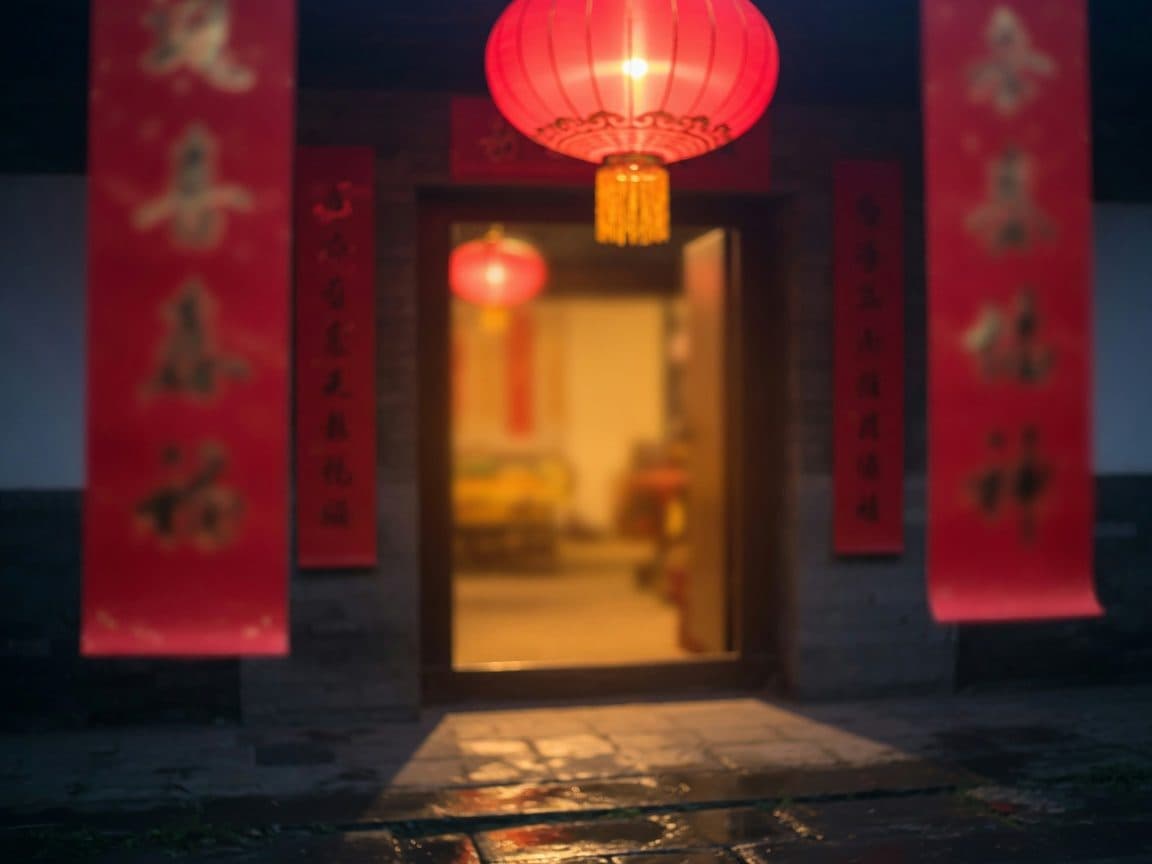
Spring Festival
First day of the first lunar month — late January to mid-February. The country effectively stops for a week.
Festivals
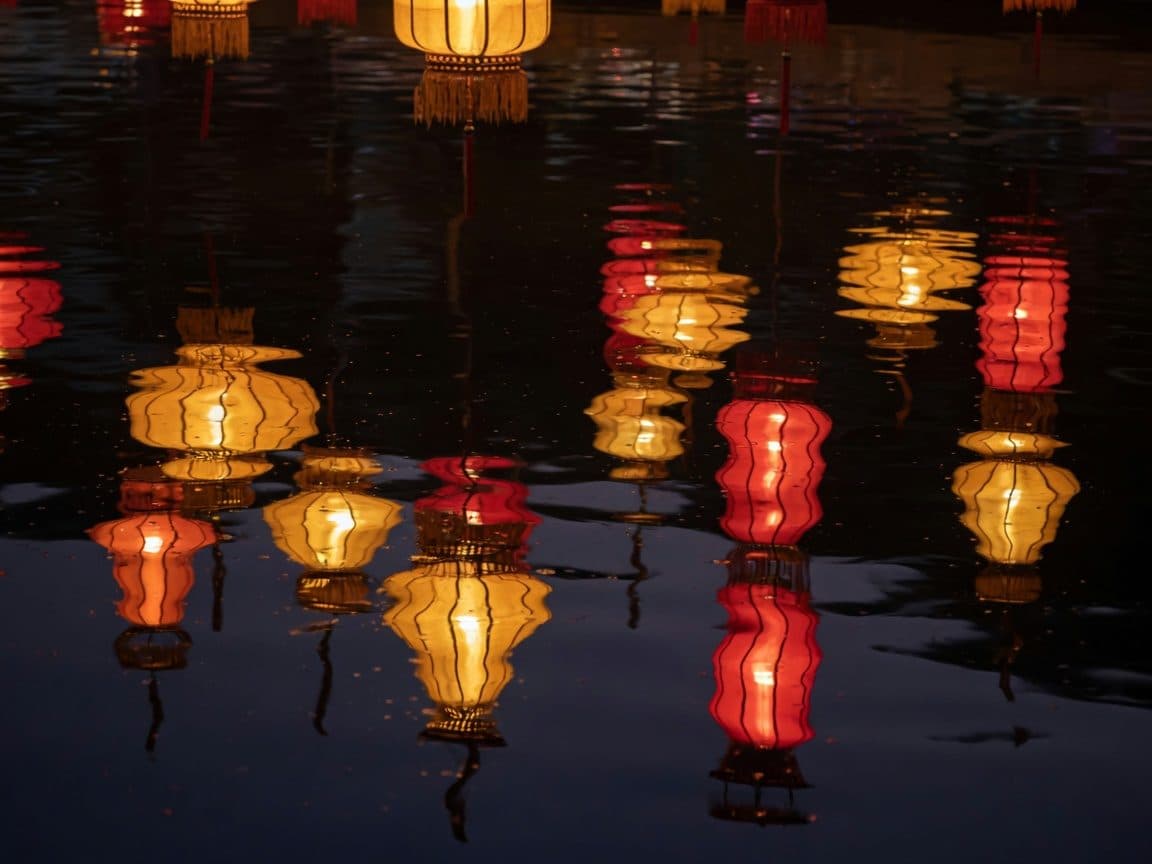
Lantern Festival
Fifteenth day of the first lunar month — the first full moon after Chinese New Year, and the formal end of the holiday.
Festivals
Qingming — Tomb-Sweeping Day
Around 4–6 April. One of the two festivals fixed to the solar calendar rather than the lunar one.
Festivals
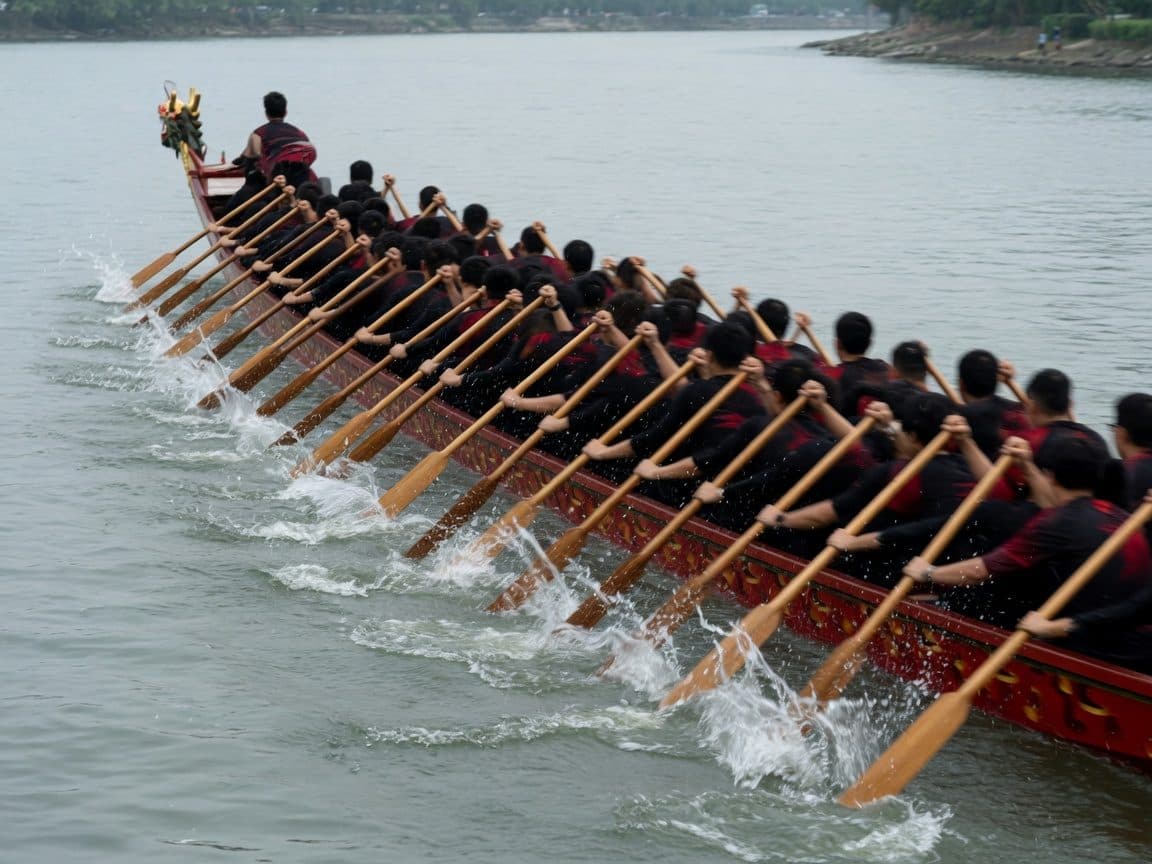
Dragon Boat Festival
Fifth day of the fifth lunar month — usually June.
Festivals
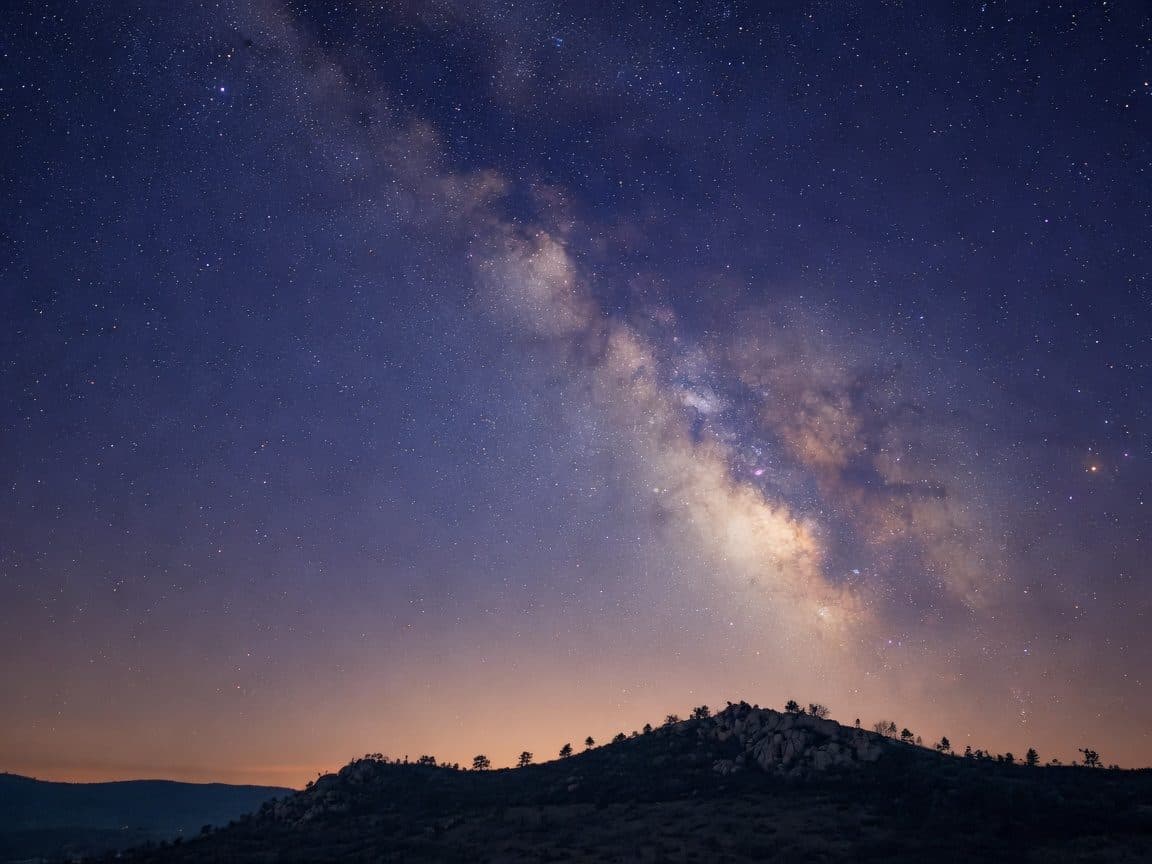
Qixi — the Double Seventh
Seventh day of the seventh lunar month — usually August.
Festivals
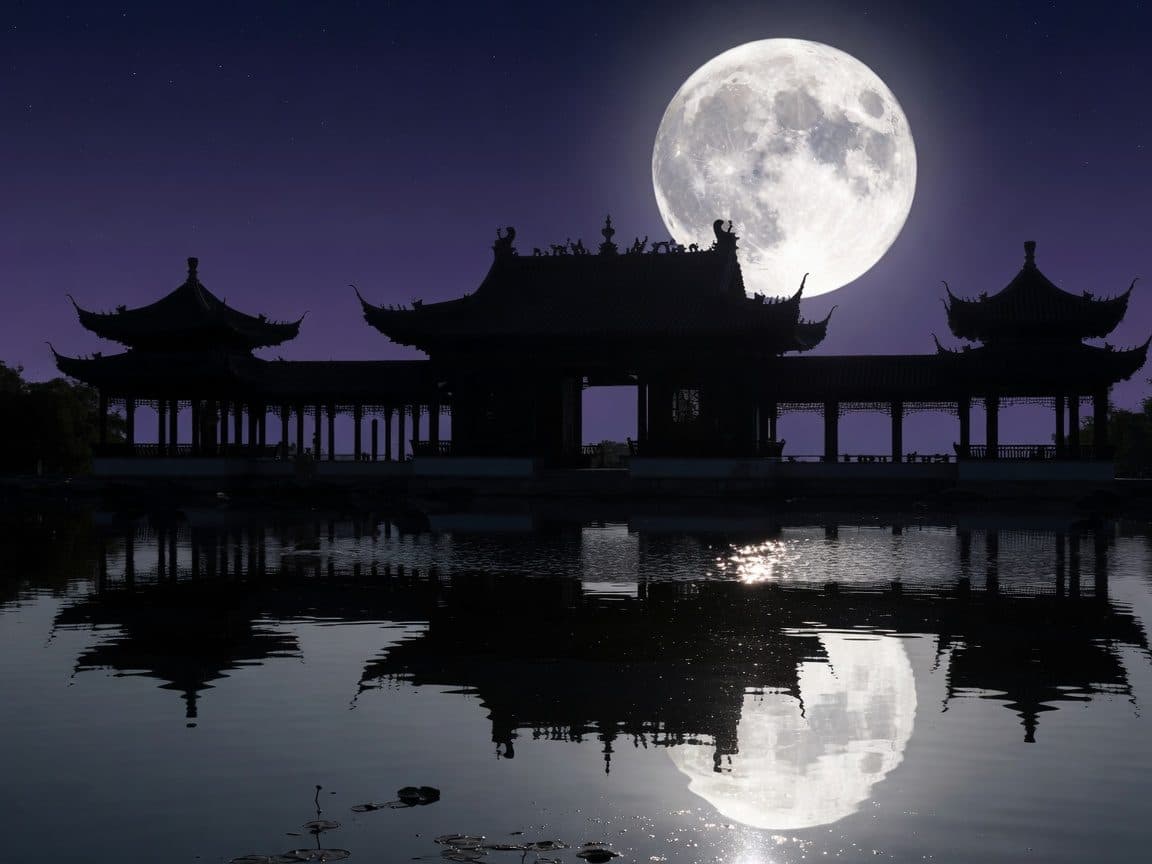
Mid-Autumn Festival
Fifteenth day of the eighth lunar month — September or early October, on the year's brightest full moon.
Festivals
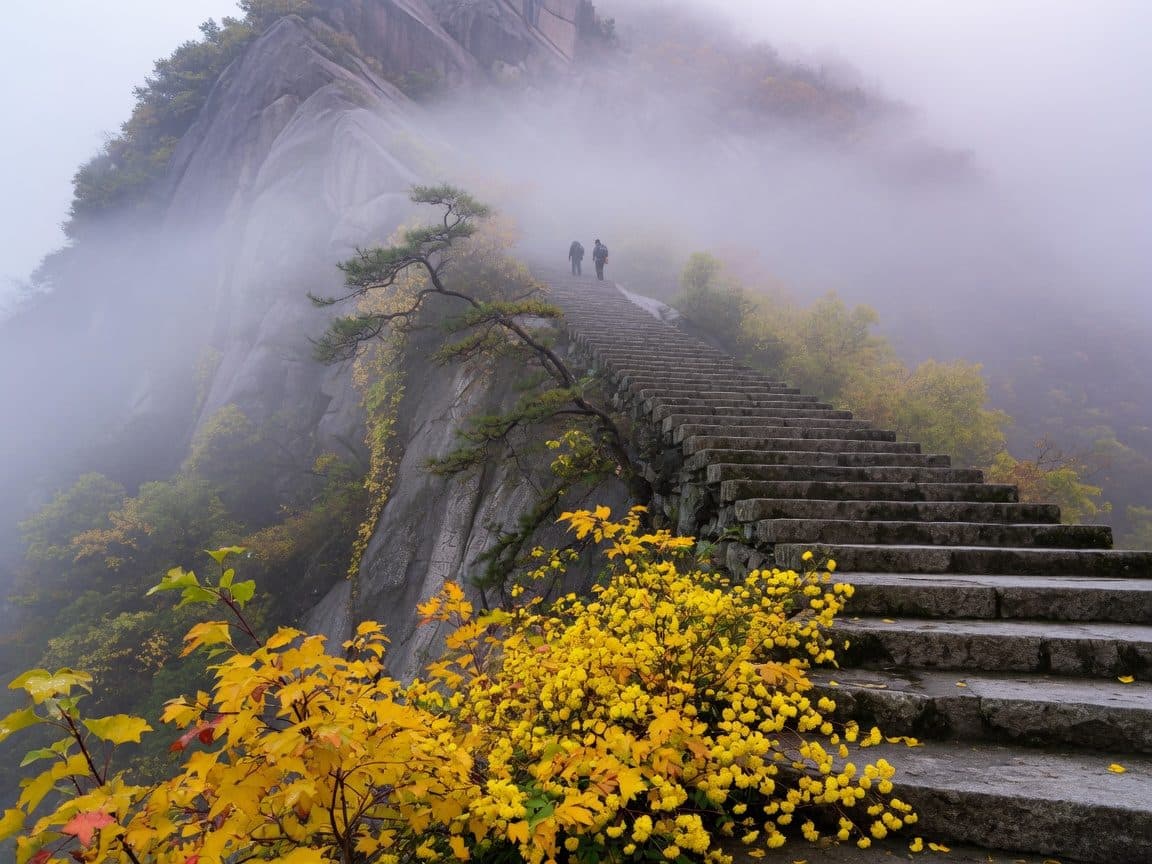
Double Ninth Festival
Ninth day of the ninth lunar month — October.
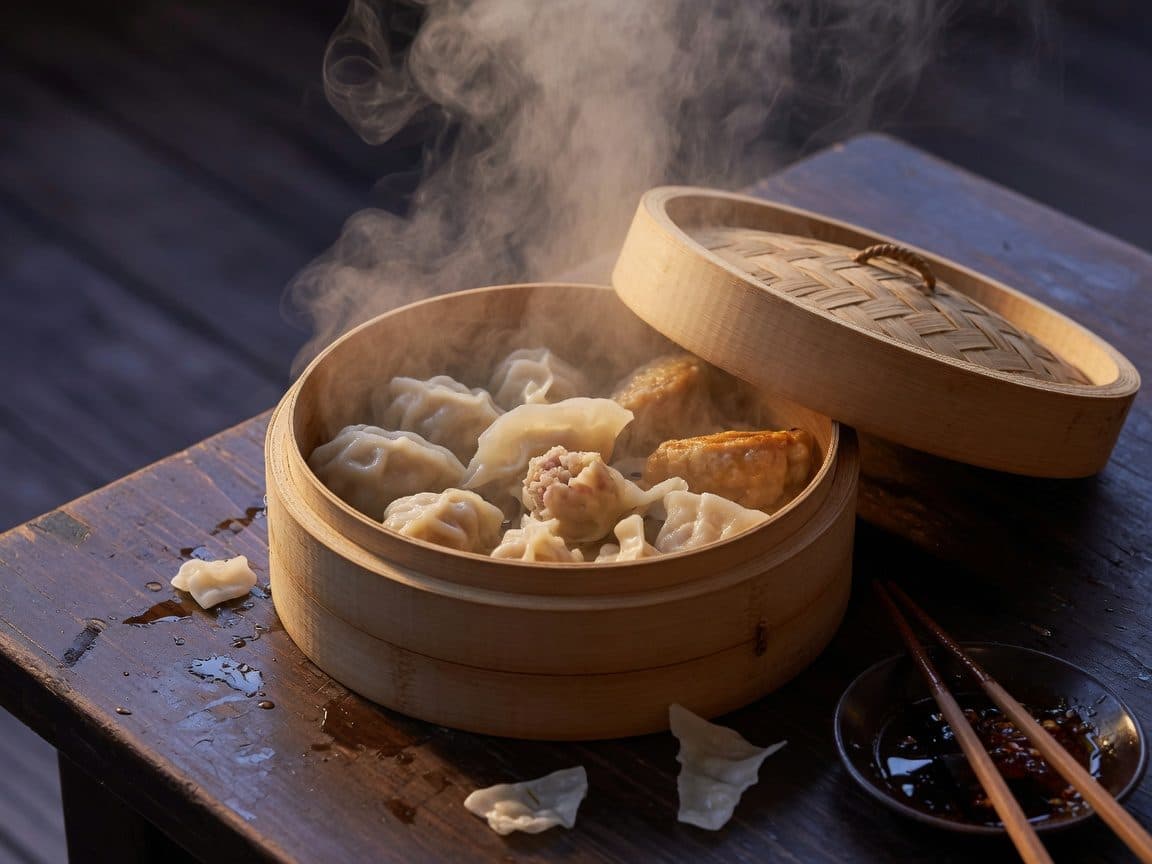
Festivals
Winter Solstice
Around 21–22 December. Solar, not lunar.
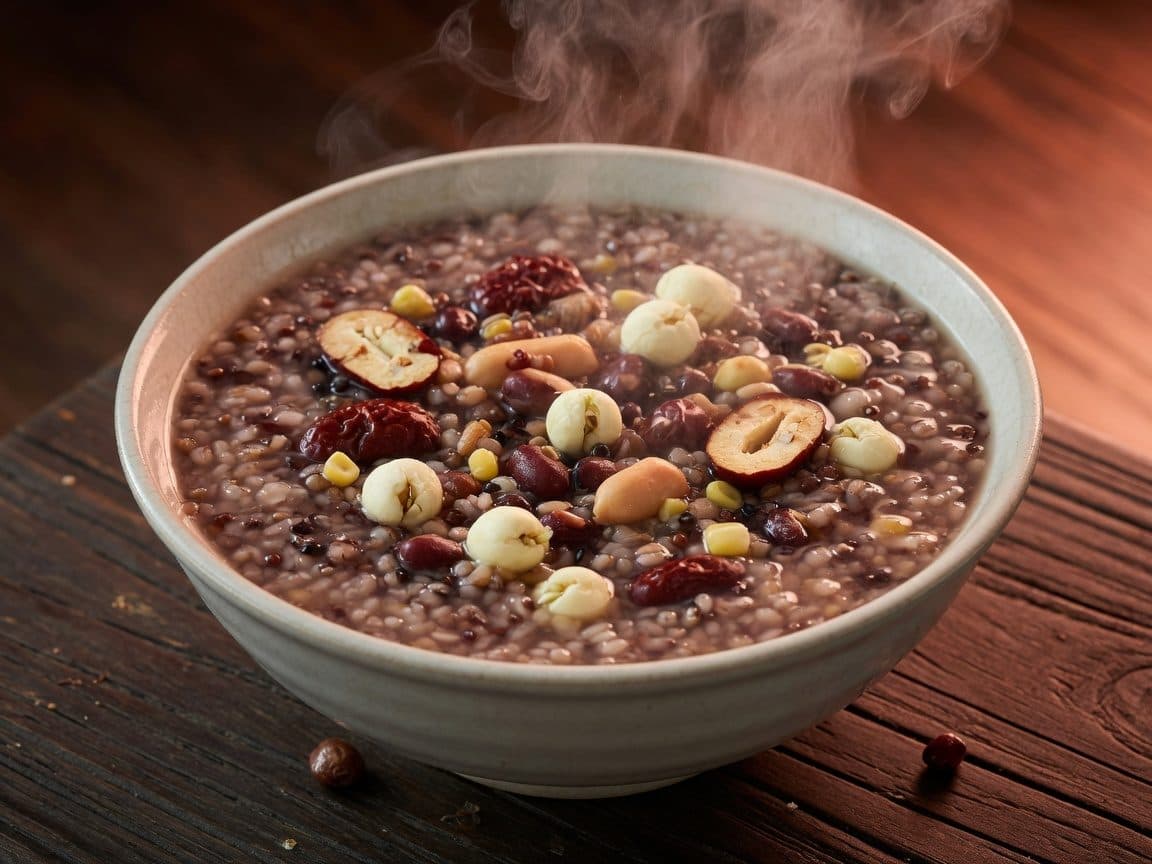
Festivals
Laba Festival
Eighth day of the twelfth lunar month — January. The traditional opening of the New Year run-up.
Almost every Chinese festival runs on the lunar calendar, which is why they wander across the Western year — Chinese New Year can land anywhere from late January to the third week of February. Locals do not think of these as dates. They think of them as a season arriving.
What follows is the year as it is actually lived: the food that only appears for a fortnight, the things families do that visitors are welcome to join, and the handful of places where a particular festival is worth planning a trip around.
Modern festivals sit outside this list on purpose. The Harbin Ice and Snow Festival — the largest winter event in the country, running January to February — began in 1985 rather than antiquity, and has its own page with the programmes that reach it.